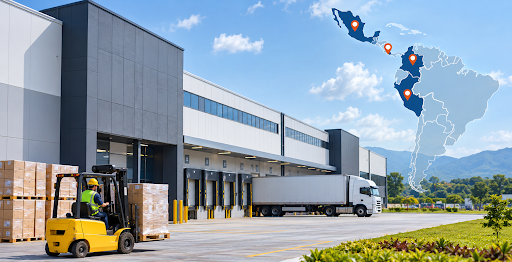
Latin America has become an important region for businesses looking to expand their storage, distribution, and transportation operations. As trade and commercial activity continue to grow, companies need reliable industrial spaces that support efficient daily operations. LPA, also known as Logistic Properties of the Americas, focuses on developing and managing modern logistics and industrial properties across Latin America. Its properties help businesses access suitable warehouses, distribution centers, and logistics parks in strategic locations.
The Growing Importance of Logistics Real Estate
Logistics real estate plays an essential role in connecting manufacturers, suppliers, retailers, and customers. Businesses depend on well-located facilities to store products, organize shipments, and manage deliveries.
Modern logistics properties offer more than basic storage space. They provide infrastructure designed to support transportation networks, inventory management, and commercial activities.
Some important benefits include:
- Better inventory management: Organized warehouse facilities make it easier to store and access products.
- Improved transportation efficiency: Strategic locations can reduce delivery distances and transportation costs.
- Flexible business operations: Industrial spaces can accommodate different storage and distribution requirements.
- Room for expansion: Larger logistics facilities can support businesses as their operations grow.
- Reliable infrastructure: Modern buildings can provide suitable loading areas, vehicle access, and operational layouts.
These advantages make logistics properties valuable for businesses operating in competitive markets.
Exploring Logistics Properties Across Latin America
Businesses searching for logistic properties for rent and for sale in Costa Rica, Peru, Mexico and Colombia should consider location, accessibility, infrastructure, and long-term operational needs.
Each country offers different opportunities for companies involved in manufacturing, distribution, international trade, and regional commerce.
Costa Rica: Supporting Distribution and Industrial Operations
Costa Rica has developed a strong reputation as a destination for international business and manufacturing activities. Its transportation connections and commercial infrastructure make it attractive for companies seeking industrial facilities.
Businesses looking for warehouses in Costa Rica often prioritize access to major roads, ports, airports, and commercial districts.
Modern logistics properties can support:
- Product storage and inventory management
- Regional distribution operations
- Manufacturing supply chains
- Import and export activities
- Commercial transportation services
Choosing a suitable facility helps businesses manage daily operations while preparing for future expansion.
Peru: Expanding Opportunities for Logistics Facilities
Peru offers opportunities for businesses involved in domestic distribution, manufacturing, and international trade.
As commercial operations develop, companies require warehouses and distribution centers that can handle growing inventory volumes and transportation demands.
Businesses evaluating logistics properties in Peru should consider proximity to important transportation corridors, industrial areas, and major commercial markets.
Facilities with efficient loading arrangements, adequate storage capacity, and accessible transportation routes can help companies improve their supply chain performance.
Mexico: A Major Market for Industrial Real Estate
Mexico plays an important role in regional manufacturing and international commerce. Its connections with North American markets make industrial and logistics properties particularly relevant for businesses managing cross-border supply chains.
Companies searching for logistics facilities in Mexico may need space for manufacturing support, product storage, order fulfillment, or regional distribution.
Several factors influence property selection:
- Transportation access: Locations near major highways and commercial routes can simplify deliveries.
- Warehouse capacity: Businesses should select properties that accommodate current inventory and expected growth.
- Building specifications: Ceiling height, loading docks, floor capacity, and vehicle access should match operational requirements.
- Security arrangements: Suitable access controls and property management can help protect stored goods.
- Expansion possibilities: Flexible facilities may allow businesses to adjust their operations over time.
LPA focuses on modern logistics real estate designed to serve businesses with different industrial and distribution needs.
Colombia: Strengthening Storage and Distribution Networks
Colombia is another important market for businesses seeking industrial and logistics properties in Latin America.
Its major cities and commercial centers create demand for warehouses that support domestic transportation, retail distribution, and manufacturing activities.
Businesses operating in Colombia often require facilities that provide convenient access to customers, suppliers, and transportation networks.
Modern distribution centers can help companies organize shipments, maintain inventory, and improve coordination between different business locations.
When selecting a property, businesses should evaluate the surrounding infrastructure, available services, and suitability of the building for their specific operations.
Renting or Buying Logistics Properties
Companies exploring logistic properties for rent and for sale in Costa Rica, Peru, Mexico and Colombia must decide whether leasing or purchasing better supports their business plans.
Benefits of Renting Logistics Properties
Renting can be a practical choice for businesses that want operational flexibility without committing substantial capital to property ownership.
Common advantages include:
- Lower initial capital requirements
- Greater flexibility when entering new markets
- Opportunities to relocate as business needs change
- Access to established industrial facilities
- More financial resources available for daily operations
Leasing arrangements should be reviewed carefully to understand rental terms, maintenance responsibilities, and possible expansion options.
Benefits of Purchasing Industrial Properties
Purchasing may suit companies planning long-term operations in a particular location.
Property ownership can provide greater control over facility improvements and future use. However, buyers must also consider acquisition costs, ongoing maintenance, property taxes, and market conditions.
The right decision depends on business objectives, available capital, and expected operational requirements.
How LPA Supports Modern Logistics Requirements
LPA specializes in logistics and industrial real estate across Latin America. Its activities include developing and managing warehouses, distribution centers, and logistics parks.
These types of properties are designed to accommodate businesses that depend on organized storage and reliable transportation access.
For companies evaluating industrial space, working with an established logistics property provider can simplify the process of identifying facilities that match their requirements.
Important considerations include property location, building specifications, operational accessibility, and opportunities for future growth.
Choosing the Right Property for Long-Term Success
Selecting a logistics property requires careful planning. Businesses should begin by identifying their storage needs, transportation routes, workforce requirements, and expected shipment volumes.
A facility that works well today should also provide enough flexibility to support changing business demands.
Whether a company is expanding into Costa Rica, establishing distribution operations in Peru, supporting manufacturing in Mexico, or improving warehouse capacity in Colombia, the right industrial property can make daily operations more efficient.
With suitable infrastructure and a strategic location, a warehouse becomes more than a place to store products. It becomes an important part of a business’s ability to deliver goods, serve customers, and grow across Latin America.