How Listing Data Helps Online Resellers Make Smarter Selling Decisions

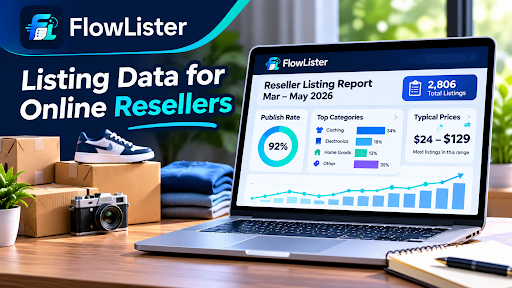
Selling products online involves more than uploading photos and waiting for buyers. Successful resellers need to understand product demand, pricing patterns, listing performance, and customer preferences. A recent report on AI listing data for resellers provides useful insights from 2,806 listings created between March and May 2026. The report examines publishing activity, popular product categories, and typical listing prices, helping sellers understand how listing information can support better decisions.
Why Listing Data Matters for Online Resellers
Online reselling has become increasingly competitive. Sellers must choose products carefully, set reasonable prices, and create listings that attract potential buyers.
Listing data helps sellers understand what is happening across their inventory rather than relying entirely on personal judgment.
By reviewing listing patterns, resellers can identify which products deserve attention and where improvements may be needed.
Some important benefits include:
- Understanding which product categories receive the most listing activity.
- Identifying common pricing ranges across different products.
- Monitoring how frequently prepared listings are published.
- Improving product descriptions and listing organization.
- Making better inventory management decisions.
These insights can be especially useful for sellers managing hundreds of products across different categories.
Understanding the Value of 2,806 Product Listings
A dataset containing 2,806 listings provides an interesting view of reseller activity during a three-month period.
The March to May 2026 reporting period offers a snapshot of how sellers prepared and published their products.
Although the findings represent the listings included in the report rather than the entire resale market, they can still reveal useful patterns.
For example, sellers can examine how frequently listings move from preparation to publication.
They can also explore which categories appear most often and how listed prices vary.
This information helps resellers evaluate their own listing practices against a broader collection of activity.
How Publish Rates Reveal Listing Efficiency
One important measurement in reseller reporting is the publish rate.
A publish rate shows the proportion of prepared listings that eventually become published listings.
This measurement matters because creating a product listing does not automatically mean it becomes available to buyers.
Some sellers prepare listings but leave them unfinished because of missing information, uncertain pricing, or incomplete photographs.
Common Reasons Listings Remain Unpublished
Several issues can prevent sellers from completing their listings:
- Missing product details: Sellers may need additional measurements, condition notes, or model information.
- Pricing uncertainty: Choosing an appropriate asking price sometimes requires additional research.
- Incomplete photographs: Poor lighting or missing product angles can delay publication.
- Inventory organization: Sellers handling many products may struggle to track unfinished listings.
- Time limitations: Listing preparation can become difficult when sellers manage other business responsibilities.
Tracking publish rates helps sellers recognize these problems and improve their workflow.
Popular Categories Can Guide Inventory Planning
Product categories play an important role in online reselling.
Different categories require different listing details, pricing approaches, and inventory management methods.
For example, clothing listings often require size information, fabric details, and condition descriptions.
Electronics may require model numbers, technical specifications, and information about functionality.
Home goods often need accurate dimensions, material descriptions, and clear photographs.
Studying category distribution helps sellers understand where listing activity is concentrated.
However, a category with many listings does not necessarily guarantee stronger demand or higher profits.
Resellers should combine category information with actual sales results before making purchasing decisions.
What Typical Listing Prices Tell Resellers
Pricing is one of the most important parts of creating an online listing.
A price that is too high may discourage potential buyers, while an unnecessarily low price can reduce earnings.
Typical listing prices provide a useful starting point for understanding how sellers position their products.
Factors That Influence Resale Pricing
Several considerations affect the asking price of an item:
- Product condition: Items in excellent condition may justify higher prices.
- Brand recognition: Established brands can influence buyer interest.
- Product availability: Harder-to-find products may attract different pricing expectations.
- Market competition: Similar listings can affect how buyers compare prices.
- Shipping expenses: Packaging and delivery costs influence the final amount sellers need to charge.
It is important to remember that listing prices are not the same as completed sale prices.
Sellers should examine sold-item information when estimating what buyers are actually willing to pay.
Improving Product Listings Through Better Information
Accurate product information can make the buying process easier.
Customers want to understand exactly what they are purchasing before placing an order.
Clear titles, detailed descriptions, and honest condition notes help reduce confusion.
Resellers can improve listing quality by following a few practical steps.
Write Clear Product Titles
Include the product name, brand, model, and relevant identifying details whenever available.
Avoid unnecessary words that do not help buyers understand the item.
Provide Accurate Descriptions
Explain the product’s condition, dimensions, included accessories, and any noticeable imperfections.
Detailed information helps customers make informed purchasing decisions.
Use Consistent Categories
Place products in appropriate categories so buyers can find them through relevant searches.
Review Listings Before Publishing
Check photographs, pricing, descriptions, and shipping information before making products available.
These simple practices can improve listing consistency and reduce avoidable mistakes.
Using Listing Reports to Improve Daily Selling
Resellers can turn listing reports into practical improvements by reviewing their own selling activity regularly.
A weekly review can reveal unfinished listings, inconsistent prices, and categories requiring additional attention.
Sellers should also compare their published listings with completed sales to understand which products are performing well.
Keeping simple records of purchase costs, asking prices, selling prices, and expenses makes these comparisons more meaningful.
Over time, this information can support better purchasing decisions and more organized inventory management.
Building a More Organized Reselling Routine
A successful reselling routine starts with understanding the products already available for sale.
Instead of focusing only on adding more inventory, sellers can improve how they prepare, organize, and publish existing products.
The findings from 2,806 listings demonstrate the value of examining publishing activity, category distribution, and pricing information together.
Resellers who regularly review these measurements can identify practical opportunities to improve their workflow.
A well-organized inventory, accurate product information, and consistent publishing habits help sellers spend less time correcting listings and more time preparing products for their next customer.