For the success of a marketing strategy, you must plan, create and be consistent. To ensure that businesses reach out to their audience, strengthen their brand awareness and establish a good relationship with their audiences, they need to post valuable content on a regular basis. But, if you manage multiple marketing activities without a system, it could get challenging. A content planner enables businesses to arrange their thoughts, arrange publications, and handle marketing campaigns better. Using a structure approach, marketing teams can develop a marketing strategy every month that will align with their business objectives and enhance productivity across the board.
Define Your Monthly Marketing Goals
The first thing that needs to be done when creating a monthly marketing plan is to find out what it is you wish to accomplish. Each marketing program needs to have a definite goal. Whether it’s more web traffic, leads, better social media engagement, or new products, there are companies that want to accomplish everything. Make realistic goals, according to the needs of your business. You could have a goal to get more people to visit your website, more followers on your social media or more people engaged with your email newsletter, for instance. Having goals simplifies the process of determining whether your marketing is effective or not, and how to improve it.
Get to know your audience
To produce relevant marketing content, it is crucial to be aware of your audience. Find out what your potential customers like, dislike, and are interested in prior to planning what you want to do during the month. Take into account the age range, work experience, Internet use, and buying requirements. Content Planner is a well-organized content planner that enables marketing teams to plan their content by different audience segments. This is to ensure that businesses can publish relevant information that answers questions raised by customers. If they see something that interests them, they will engage with the brand in some way and learn more about the brand’s products and/or services.
Select the appropriate marketing channels
There are different digital platforms that are preferred by different audiences. Some customers spend time on Facebook and Instagram, others on LinkedIn, YouTube or on businesses’ websites. Choosing the appropriate marketing channels is crucial to help companies reach their potential customers without the use of precious resources. Compare and contrast the platforms to find the best ones for your type of business. It isn’t necessary to get your work out on all platforms. Rather, concentrate on channels that resonate with your target market and marketing goals. Add them to your content calendar to keep your content and your brand in the spotlight.
Create a Monthly Content Calendar
Having a monthly content calendar helps you to know what marketing activities you plan to undertake. It assists businesses in choosing the content they need to publish, when to publish it, and where it should be published. Make sure to begin with significant dates, product launches, seasonal events, and industry events. Then allocate some topics for each day of the month. All publication information is organized in one place in a content planner, making this process easier. Also, you may add deadlines, team members assigned, content types, and publication status. This helps to eliminate confusion and clarifies the roles of all concerned.
Create a variety of different types of content
It can become less interesting to the customer if the same content is published over and over as marketing campaigns. It is important to vary formats to maintain their audience’s attention and offer information in multiple formats. You can take into account blogs posts, brief video clips, infographics, product updates, educational posts, customer testimonials, and e-mail newsletters. Every one of the formats has a specific goal and can appeal to unique people. For instance, an educational article can address some of the most frequently asked questions by customers and brief videos can show the features of a product. A content planner to organise these formats will ensure variety of format throughout the month.
Research topics and keywords related to the research
Content research is a critical component to effective digital marketing. Relevant issues should be identified that people are looking for. Utilizing keyword research can provide insight at the popular search terms, customer questions, and topics regarding their products and/or services. Research the keywords and analyze the ranks of your competition to find out what content you can use. Use appropriate keywords where they will fit and not where they don’t. Before giving students assignments, include researched topics and keywords in their content plan. This allows for content creators to create articles and social media content that will help with the visibility for search engines and that will give the readers real value.
Plan Content, Preplan Content
Regularly posting content keeps businesses in view and helps to create audience trust. While creating content at the last minute may not create a huge burden for marketing teams, it can indeed add to their stress. Creating content in advance will help with monthly marketing activities. Determine day(s) for article publishing, video posting, promotional campaigns and social media posts. A content planner keeps teams abreast of future publications and tracks to see what’s still to be done. Creating content in advance can also help you go over its grammar, information and visual aspects before publishing.
Involve the Marketing Team in the coordination
The marketing campaign can be a success if there are writers, designers, social media managers and marketing specialists involved. If there is no effective communication, the team members have the possibility of not understanding deadlines, or doing the same work twice. Make everyone responsible for a particular task and give a sensible deadline. For instance, writers can draft articles, designers can design graphics and social media managers can prepare approved content and schedule them. A common content planner enables everyone to keep track of progress. Team members are able to check out the task updates, see what’s still to be done and discuss changes. This helps to collaborate and maintain organization of monthly campaigns.
Monitor Marketing Performance
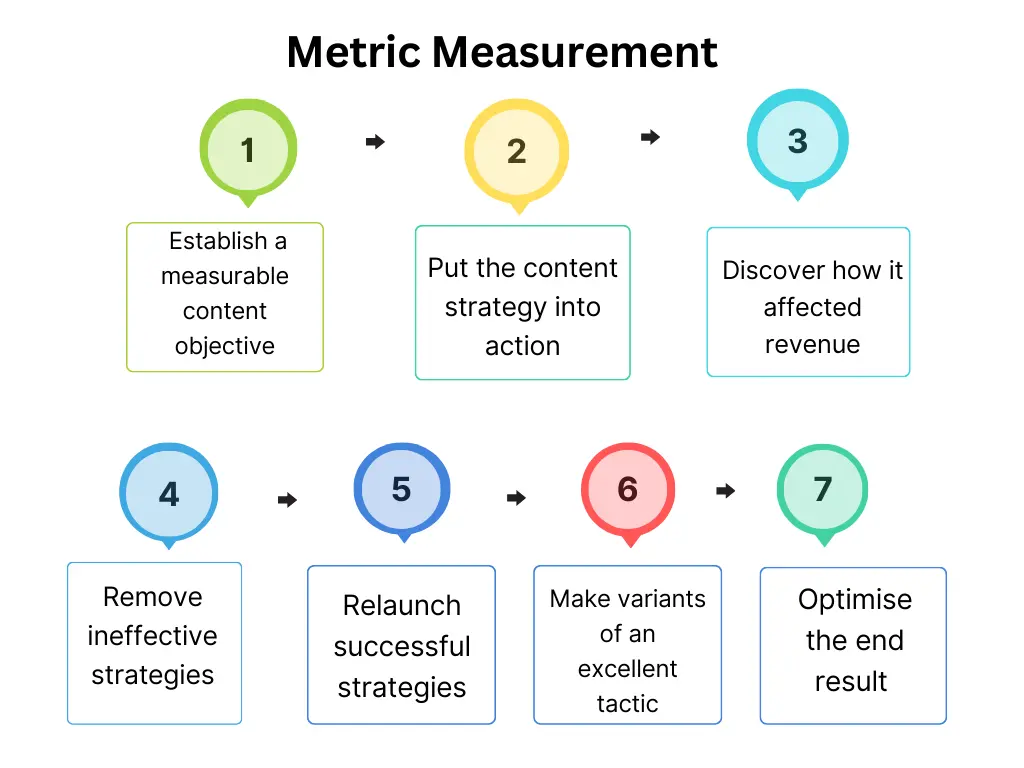
Content marketing isn’t the only piece of an effective marketing strategy. Developing indicators of performance is a good idea to determine what activities are working and what aren’t. Track user statistics like website visits, social media interactions, emails opened, audience expansion, leads generated, and more. Compare with the original marketing goals! Write notes in your content planner/marketing reports. This will help you to determine which topics and formats are successful and which ones aren’t. Don’t continue to do something if it isn’t working out, just tweak your approach.
Re-Evaluate and Make a Better Plan for Your Next Month
Analyse the marketing activities at the end of the month and determine how it could be improved. Think about what received the most attention and what platform was the most effective in terms of engagement, and if your team was able to accomplish the planned goals. Use these findings to make informed decisions for a month’s time. You may try to expand content or post more videos or tweak posting frequency according to viewers’ engagement. It is beneficial for businesses to perform a regular review, as this can help them to create better marketing strategies over time.
Conclusion
Developing a monthly marketing strategy requires clear objectives, audience research, consistent publishing, and regular performance analysis. Businesses can manage these activities more efficiently by using an organized planning system. A content planner helps teams schedule publications, coordinate responsibilities, explore content ideas, and monitor campaign progress. By following these steps and reviewing results every month, businesses can improve their marketing efforts, strengthen audience relationships, and build a more consistent online presence.